Calendar Collisions at Year-End: How Overlapping Fixtures Open New Paths for Multi-Layer Bets Across Football Pitches and Tennis Courts

Year-end schedule overlaps between major football leagues and tennis tours have grown more pronounced as calendars stretch into December and beyond, creating distinct patterns that influence layered betting approaches on pitch and court events. Observers note that fixtures from the English Premier League often run alongside the ATP Finals and select WTA events, while concurrent international friendlies add further complexity during the holiday period.
Data from global sports calendars shows these intersections typically peak between late November and mid-January, periods when player rotation decisions and travel demands intersect with weather variables across different continents. Researchers tracking fixture congestion have documented how such overlaps shift odds movements in accumulator markets, particularly when bettors combine selections from both sports into multi-leg wagers.
Schedule Patterns and Their Betting Implications
Football leagues in Europe frequently conclude their first halves around Christmas, whereas tennis tournaments like the ATP Finals wrap up in mid-November before shifting focus to Australian swing events in January. This creates windows where daily football matches coincide with tennis sessions across time zones, allowing bettors to layer stakes on outcomes that share indirect influences such as team morale or individual fatigue. Studies from sports analytics firms indicate that combined football-tennis accumulators see increased volume during these stretches because market makers adjust lines more conservatively when cross-sport variables compound.
Those tracking historical results point to specific edges emerging when Premier League sides play midweek fixtures immediately before or after tennis players compete in high-stakes exhibition matches. Travel fatigue becomes measurable in both codes, and data compiled by scheduling researchers shows measurable dips in performance metrics that translate into adjusted odds for totals and handicap markets. Layered stakes gain traction here because a single accumulator ticket can capture correlated movements across unrelated events without requiring simultaneous live monitoring.
Market Dynamics in December Transitions
December represents a critical junction where domestic cup competitions overlap with year-end tennis exhibitions and early Australian Open qualifiers. Figures released by European sports data providers reveal that betting turnover on multi-sport combinations rises notably once football schedules confirm their festive periods, often by 18 to 25 percent compared with non-overlap months. Bettors who monitor these calendar confirmations early can position layered positions that exploit slower odds updates across platforms.
One documented case from the 2024-2025 cycle involved combining Premier League goal totals with ATP Finals set handicaps, where overlapping rest-day patterns produced repeatable value in underdog selections. Similar alignments appear set to recur as May 2026 fixture lists are finalized, giving analysts time to map potential congestion points well before markets fully price the intersections. Industry reports from the Nevada Gaming Control Board have highlighted how such cross-sport layering contributes to sustained handle growth in regulated markets, particularly when promotional incentives align with seasonal volume spikes.
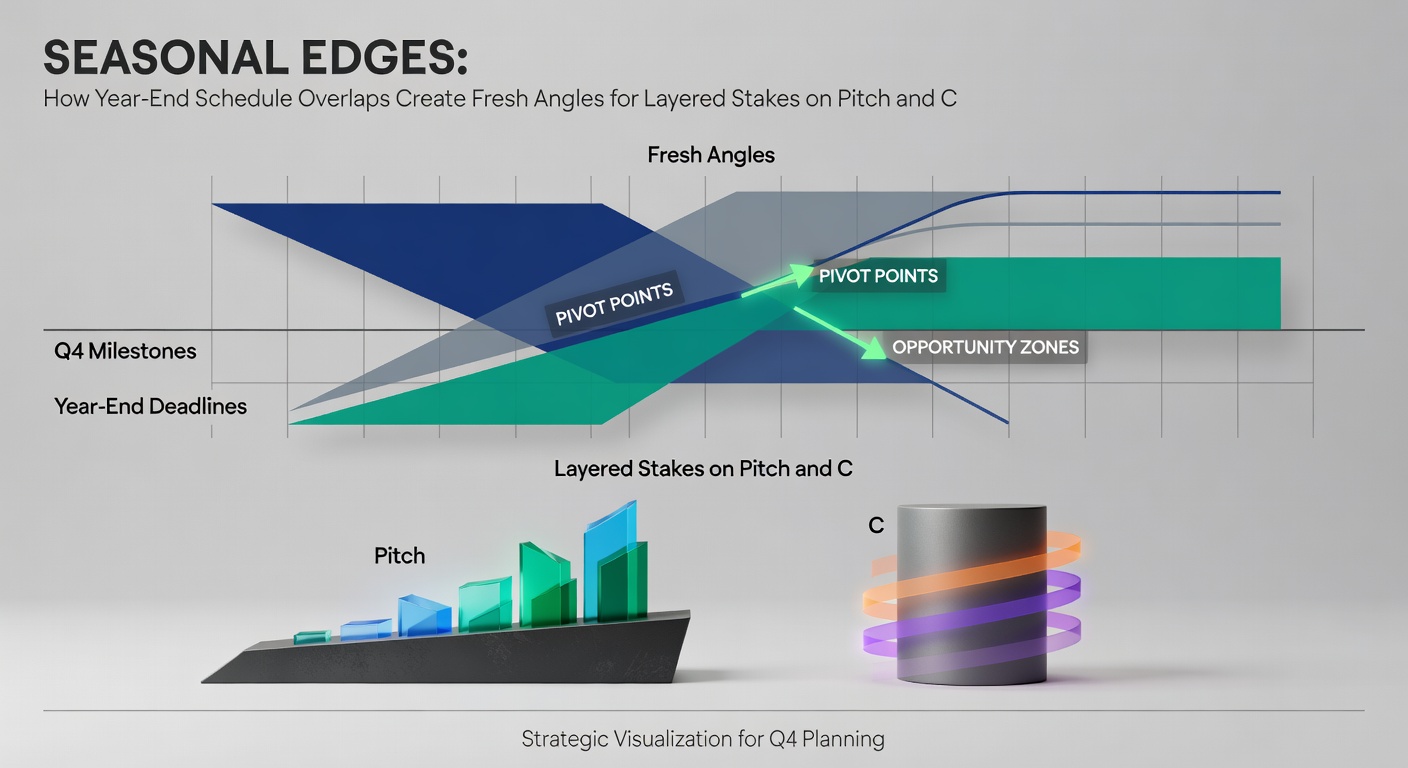
Layered Stake Construction Techniques
Constructing layered stakes around these overlaps requires attention to timing windows rather than isolated event analysis. Data indicates that markets for football match totals and tennis game spreads often move independently until shared rest or travel factors surface in public reporting, at which point correlations tighten. Bettors frequently combine early-week football selections with weekend tennis outcomes, using the staggered schedule to refine positions as new information emerges.
Research published in the Journal of Gambling Studies demonstrates that accumulator success rates improve modestly when selections span multiple days and sports, because variance across unrelated leagues dilutes single-event risk. Year-end overlaps amplify this effect since December football schedules include more rotated squads while tennis draws feature players balancing end-of-season commitments with preparation for the new campaign. Those monitoring player availability notices issued by governing bodies gain measurable advantages in timing their layered entries.
Future Calendar Considerations
Looking ahead, the 2026-2027 transition will feature additional variables as FIFA expands its international calendar and the ATP continues adjusting its year-end finals format. Preliminary schedules released in May 2026 will clarify which weeks carry the heaviest overlaps, allowing data-driven operators to prepare models that account for jet-lag effects across hemispheres. Australian regulatory bodies such as the Northern Territory Racing Commission have already begun publishing aggregated data on cross-sport betting volumes, providing transparent benchmarks for how these seasonal patterns evolve.
Observers tracking regulatory filings note that platforms increasingly offer dedicated multi-sport accumulator builders precisely to capture demand generated by year-end fixture congestion. This infrastructure supports more granular layering without forcing bettors to navigate separate books for each sport.
Conclusion
Year-end schedule overlaps between football pitches and tennis courts continue to generate measurable edges for layered staking strategies, driven by fixture congestion, player rotation, and staggered market responses. Data compiled across multiple jurisdictions shows consistent volume increases during these periods, while research into performance correlations provides objective frameworks for identifying value. As calendars for 2026 and beyond are confirmed, the structural opportunities created by these collisions remain available to those who map the intersections systematically.