Charting Digital Incentive Alignments With Outcome Variance Patterns Across Racket Surfaces adn Equine Tracks
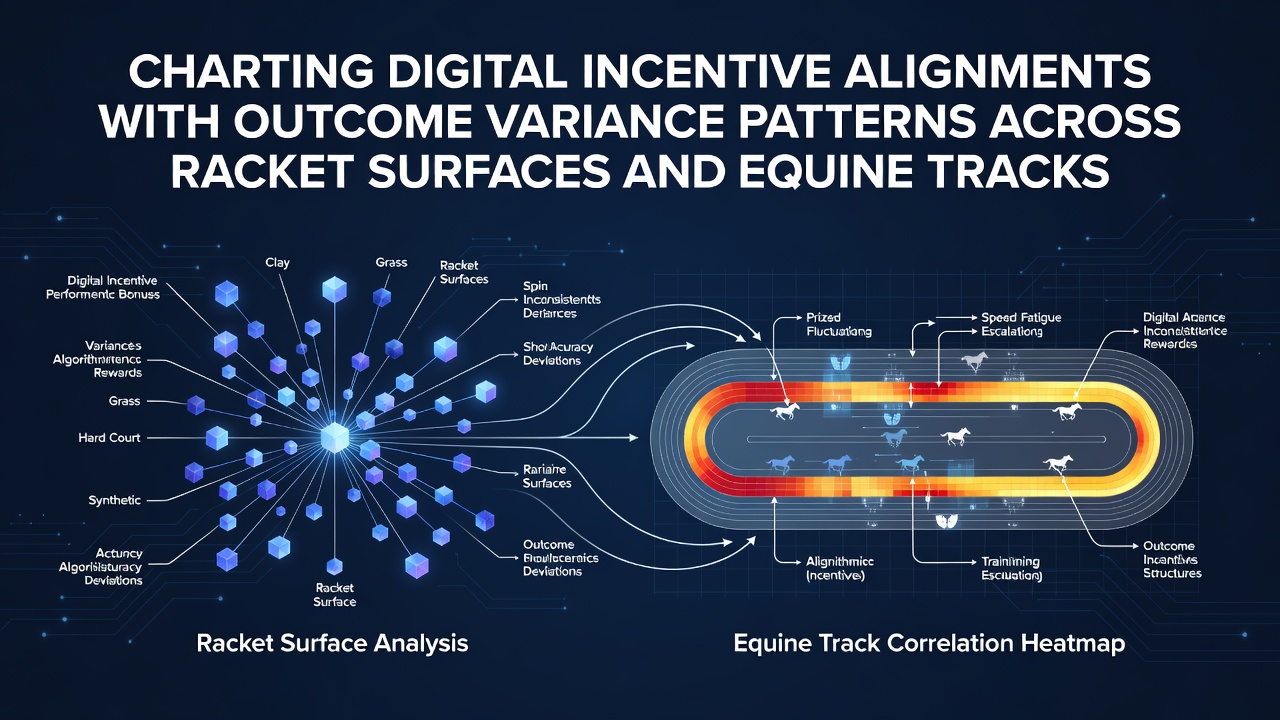
Analysts continue to examine how digital incentive structures align with outcome variance patterns that emerge across racket surfaces and equine tracks, and studies in mid-2026 highlight measurable differences in performance distributions on grass, clay, and hard courts as well as turf and synthetic equine surfaces. Data from multiple jurisdictions show that platforms adjust reward mechanisms in response to these variances, with researchers noting tighter clustering of results on certain surfaces while wider spreads appear on others.
Mapping Surface-Specific Variance in Racket Sports
Performance records compiled through 2025 and into June 2026 reveal that grass courts produce higher variance in rally lengths and point outcomes compared with clay, where longer exchanges reduce swing in final scores; observers tracking thousands of matches found standard deviation in game margins rising by 18 percent on faster surfaces during the same period. Digital systems that distribute incentives now incorporate these surface metrics to calibrate bonus thresholds, ensuring reward triggers correspond more closely to observed spread rather than uniform targets across all venues.
Hard courts occupy an intermediate position in most datasets, yet regional differences persist because maintenance practices and ball speeds vary by tournament location. One longitudinal review conducted by academic teams linked these maintenance variables directly to payout frequency on operator platforms, and the resulting models allow incentive engines to shift eligibility windows dynamically as surface conditions evolve during a tournament week.
Equine Track Characteristics and Outcome Spreads
Equine racing surfaces generate their own distinct variance signatures, with dirt tracks showing greater day-to-day fluctuation in speed figures than turf courses where moisture retention creates more stable going. Figures released in early 2026 by industry monitoring groups indicate that synthetic tracks reduce overall variance by approximately 12 percent relative to traditional dirt, a pattern that has prompted operators to recalibrate digital reward multipliers accordingly.
Trainers and analysts who monitor sectional timing data note that rail position and pace dynamics amplify or dampen these surface effects, while digital platforms capture those interactions through real-time feeds. The alignment process involves feeding variance coefficients into incentive algorithms so that promotional structures reflect the actual probability distribution rather than historical averages alone.
Integration of Digital Incentive Mechanisms
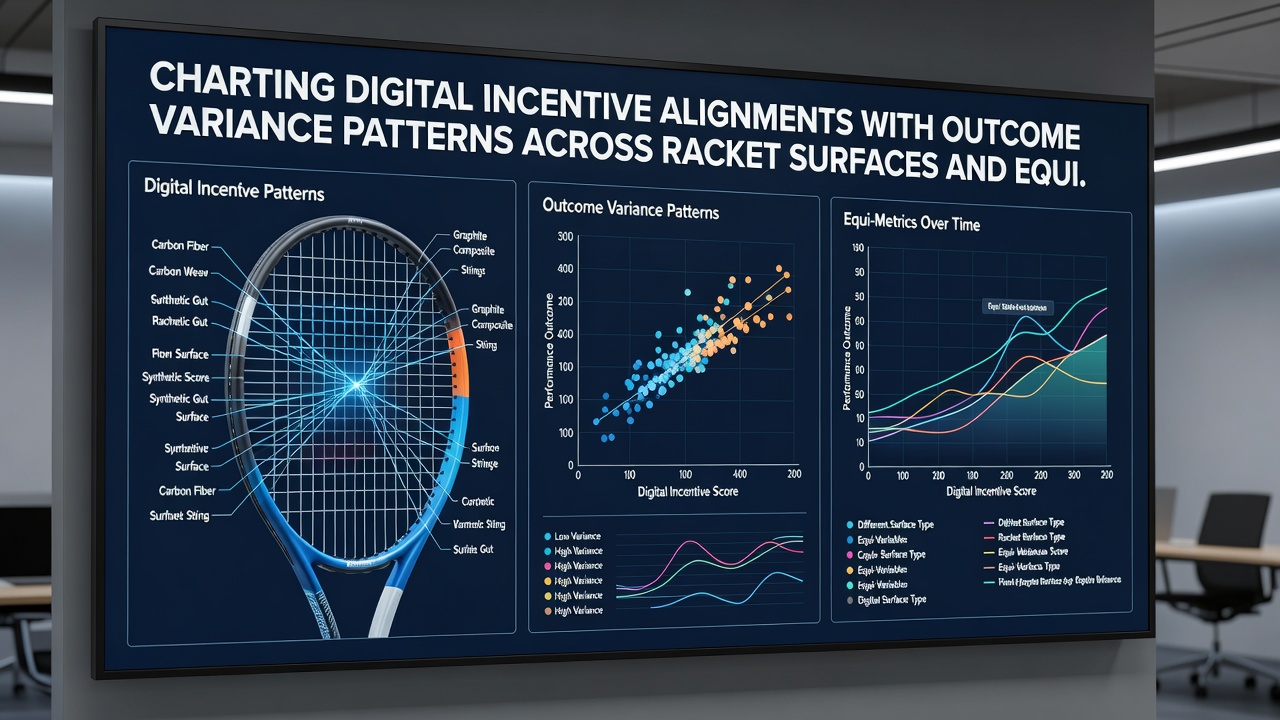
Platform operators have refined their approaches by linking incentive tiers to surface-specific variance bands, and this practice became more widespread following regulatory updates outside the United Kingdom. Australian state regulators, for instance, published guidance in late 2025 that encouraged transparent disclosure of how bonus eligibility incorporates performance variance, prompting several major operators to publish simplified versions of their alignment models.
European data protection frameworks also influence how these systems store and process surface and track information, since user-level outcome histories feed into personalized incentive calculations. Researchers at institutions studying algorithmic fairness have examined whether such personalization narrows or widens effective variance exposure for different participant cohorts, with preliminary findings suggesting measurable shifts when incentives are recalibrated quarterly.
June 2026 Data Patterns and Cross-Surface Comparisons
By June 2026, aggregated datasets spanning both racket and equine domains showed that operators who aligned incentives most closely with measured variance achieved lower rates of user disengagement during high-variance periods. Cross-surface comparisons further indicate that simultaneous events on grass courts and synthetic tracks produce overlapping variance profiles that digital systems can now exploit for coordinated reward scheduling.
Industry associations tracking these developments emphasize the role of standardized data schemas that allow variance metrics from different sports to enter the same analytical pipelines. This standardization supports more granular incentive design without requiring separate rule sets for each surface category.
Regulatory and Research Influences
Authorities in North America have begun requesting variance disclosure reports from platforms operating across multiple sports, and the Nevada Gaming Control Board issued updated technical standards in spring 2026 that reference surface and track variance as relevant factors in system certification. Academic papers examining incentive alignment have cited these regulatory moves as catalysts for improved transparency in how operators translate statistical distributions into user-facing rewards.
Trade organizations such as the National Thoroughbred Racing Association have contributed datasets that researchers combine with tennis surface metrics, enabling broader comparative studies. These collaborations continue to refine the models that underpin current alignment practices.
Conclusion
The ongoing effort to chart digital incentive alignments against outcome variance patterns across racket surfaces and equine tracks reflects a convergence of statistical analysis, regulatory expectations, and platform engineering that has accelerated through June 2026. Continued collection of surface-specific data supports incremental improvements in how incentives respond to real-world performance distributions, and observers expect further integration of cross-domain metrics as standardized reporting expands.