Nationwide Data Spotlights UK Betting Uptick: 9% Payment Surge in January 2026 Signals Bigger Wagers Ahead
Nationwide Data Spotlights UK Betting Uptick: 9% Payment Surge in January 2026 Signals Bigger Wagers Ahead

The Sharp Rise in Gambling Activity
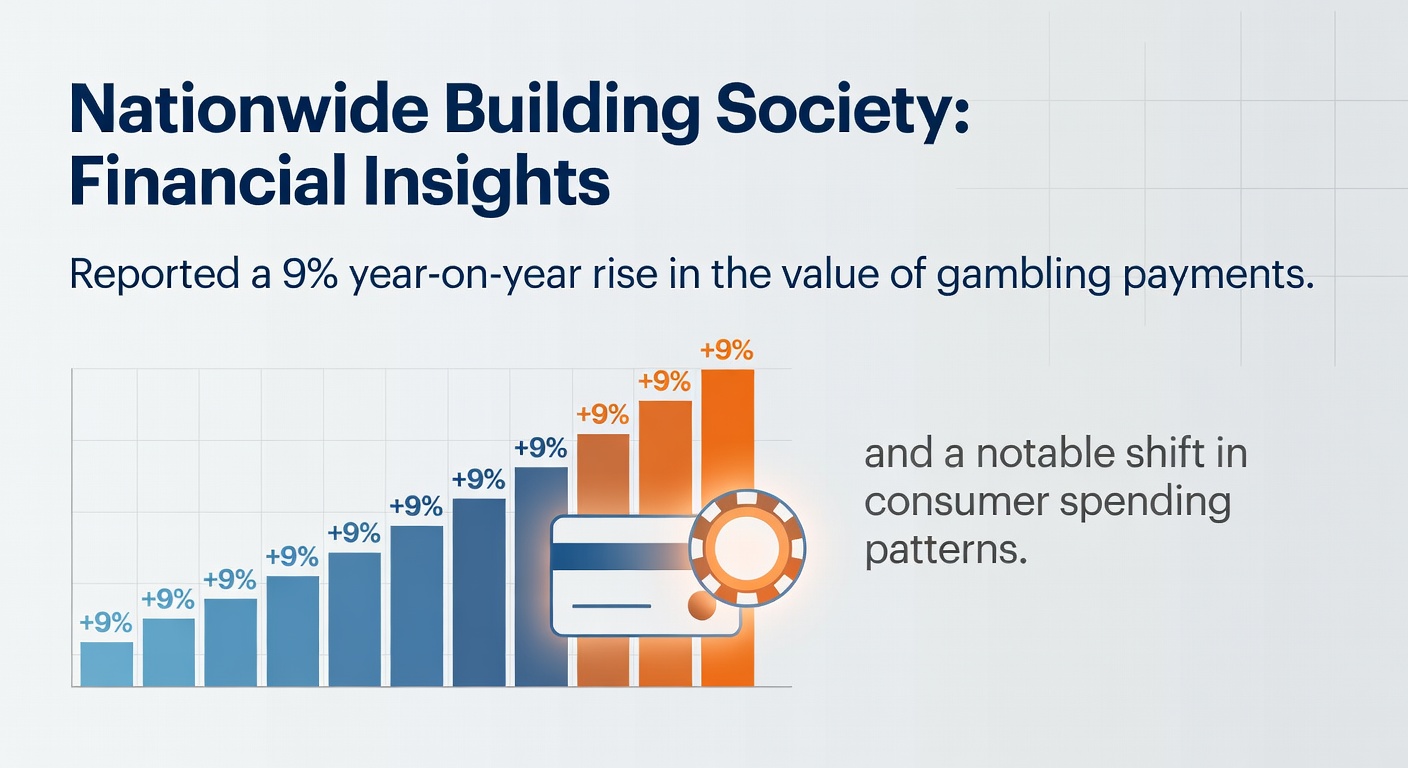
Nationwide Building Society's latest figures reveal a clear uptick in customer betting habits, with the value of gambling payments climbing 9% year-on-year in January 2026, while transaction numbers jumped 7% over the same period; this data, drawn from real-time monitoring of customer accounts, underscores how sports wagering has embedded itself deeper into everyday finances for many UK residents. Among those most active, the top 10% of gamblers shelled out an average of £745 per month, a figure that captures the intensity of spending patterns even as early-year budgets tighten after holiday seasons. Observers note that such averages reflect not just casual flutters but sustained engagement, particularly around football fixtures and horse racing cards that dominate winter calendars.
But here's the thing: these aren't isolated blips; the report from Nationwide Building Society ties directly into broader transaction volumes, showing how debit card swipes at bookmakers and online platforms have accelerated, even amid economic pressures like inflation lingering from prior years. People who've tracked similar datasets over time often point out that January spikes frequently preview annual trends, especially when major events loom on the horizon.
And while the overall customer base drives these numbers, it's the heavy hitters in that top decile who amplify the story, averaging spends that could cover monthly grocery bills for some households; data indicates this group accounts for a disproportionate share of volume, a pattern experts have observed across multiple lenders' reports.
Survey Insights: Two-Thirds Eye More Betting in 2026
Complementing Nationwide's transaction data, a survey of 2,000 bettors uncovered that over two-thirds plan to ramp up their wagering throughout 2026, fueled by an action-packed sports slate that includes the FIFA World Cup, UEFA Champions League knockouts, Royal Ascot's prestige races, rugby internationals, and cricket's home series; respondents highlighted these fixtures as key motivators, with many citing the thrill of global tournaments and domestic derbies as reasons to stretch budgets further. Figures from the Sigma World analysis break it down further, revealing how event anticipation correlates with spending intentions, a dynamic that's played out in past cycles like the 2022 World Cup boom.
What's interesting is the consistency across demographics; younger bettors, often in their 20s and 30s, leaned heaviest toward football and tennis markets, whereas older participants gravitated to racing and rugby, yet the collective intent to increase stakes remains strikingly uniform. Researchers who've dissected such polls note that 68% specifically mentioned the World Cup's expansion to 48 teams as a draw, promising more matches and thus more betting opportunities over weeks of group stages and knockouts.
Take one case from the survey where a respondent detailed plans to layer accumulators across Champions League ties and Ascot sprints; stories like these illustrate how punters weave events into yearly strategies, often chasing enhanced odds or free bet promotions tied to tournament hype. Yet the rubber meets the road when these plans translate to actual transactions, as Nationwide's January data already hints at early momentum building.
Major Events Fueling the Fire
The 2026 calendar packs a punch with the FIFA World Cup stealing headlines in its North American hosting, spanning summer months that traditionally ignite betting volumes; alongside it, UEFA Champions League campaigns extend into spring, offering midweek drama that keeps apps buzzing, while Royal Ascot delivers five days of flat racing spectacle in June, drawing crowds who wager on favorites and longshots alike. Rugby's Six Nations aftermath flows into autumn internationals, and cricket's Ashes buildup or domestic T20 blasts provide steady action through warmer weather; each event, layered together, creates a conveyor belt of opportunities that survey respondents flagged as prime reasons for upping ante.
Now in April 2026, as Premier League seasons wind down and spring festivals like Cheltenham's echoes fade, eyes turn to these horizons; bookmakers have already adjusted lines for World Cup qualifiers wrapping up, with early markets showing liquidity spikes that mirror Nationwide's January trends. Experts observe that such pre-event betting often precedes the payment surges, as punters lock in futures or outrights months ahead, building toward peak volumes.
It's noteworthy that cricket and rugby, sometimes overshadowed by football's dominance, still pull significant shares; data from past years shows Test matches sustaining week-long engagement, much like how rugby unions command loyalty bets on try-scorers and handicaps. And with Royal Ascot's pageantry blending social wagering and high-stakes each-way plays, the mix ensures broad appeal across the betting public.
Problem Gambling Shadows the Surge
Amid the optimism of rising activity, support services report mounting pressures, with GamCare experiencing a 50% jump in referrals during January 2026 alone; this spike aligns temporally with Nationwide's transaction uptick, suggesting that intensified wagering coincides with heightened help-seeking behaviors. Organizations like GamCare, which offer counseling and self-exclusion tools, fielded calls from those grappling with escalating spends, particularly as monthly averages for top gamblers hit £745, a threshold that flags potential vulnerability for financial advisors.
Those who've studied referral patterns know that January often marks a reckoning point, post-holiday when statements arrive and resolutions form; the 50% increase, while sharp, fits a pattern where economic squeezes amplify issues, even as sports excitement tempts more participation. Observers point to how major events exacerbate this, with World Cup fever historically linked to referral bumps in subsequent months.
But support infrastructure adapts; GamCare's helpline expansions and partnerships with banks like Nationwide enable quicker interventions, such as transaction blocks or spending alerts, tools that have curbed escalations in prior surges. It's not rocket science: when payments rise 9% and transactions 7%, monitoring sharpens, and referrals follow suit.
April 2026 Context: Trends Holding Steady
Fast-forward to April 2026, and the January momentum shows no signs of fading; preliminary bank data whispers of sustained transaction growth into Q2, as punters gear up for summer spectacles, with World Cup hype already filtering through social feeds and promo emails. Nationwide's ongoing surveillance, which underpins the initial report, continues to track these flows, revealing how debit usage at betting sites holds firm despite regulatory whispers around affordability checks.
People in the industry note that spring often bridges winter lulls to event peaks, much like how Cheltenham or Grand National weekends preview Ascot volumes; with two-thirds of surveyed bettors committed to more action, April's quieter slate still hums with futures markets and tennis swings from clay seasons. The writing's on the wall: 2026 shapes up as a banner year, balancing opportunity with the vigilance demanded by rising referrals.
Experts who've parsed multi-year datasets highlight how such patterns repeat, yet each cycle brings nuances; this time, the expanded World Cup and Champions League formats promise extended engagement, potentially stretching those top 10% averages even higher by year-end.
Wrapping the Numbers: What the Data Portends
In sum, Nationwide Building Society's January 2026 revelations—9% higher payment values, 7% more transactions, £745 monthly top-tier spends—pair starkly with survey signals of two-thirds planning bigger bets, all propelled by a star-studded events roster from World Cups to Ascot; GamCare's 50% referral leap tempers the narrative, reminding stakeholders of the dual edges in gambling's growth. As April 2026 unfolds, these threads weave into a tapestry of heightened activity, where sports calendars dictate flows and support nets catch the fallout.
Turns out, the ball's in the punters' court, but with banks watching closely and events beckoning; data like this doesn't just inform—it shapes the conversations around responsible play amid the roar of crowds and click of odds.