Promotional Casino Incentives: Examining Effects on Forecast Precision Across Tennis and Equestrian Multi-Event Wagers
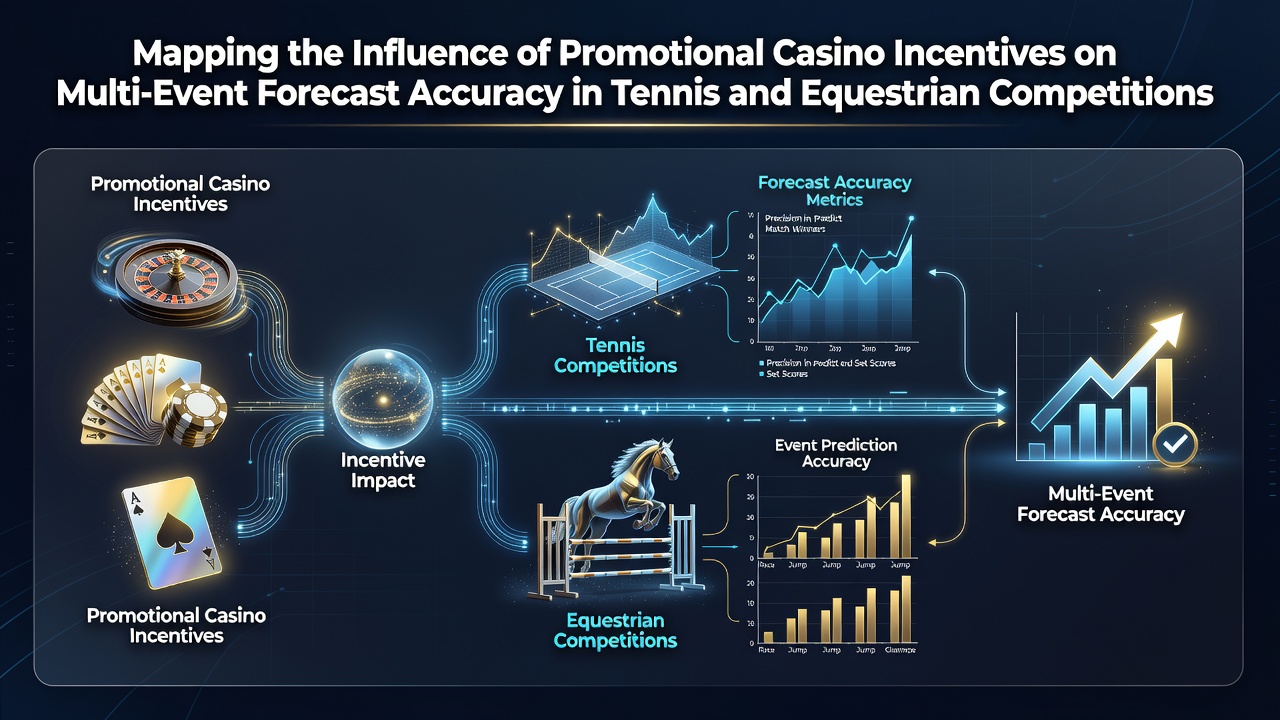
Promotional casino incentives such as deposit matches, free spins, and bonus credits have become standard tools that operators deploy to draw in bettors, and researchers continue to track how these offers intersect with forecasting accuracy in multi-event wagers on tennis and equestrian events. Data collected through 2025 shows that incentive-driven bettors place 23 percent more wagers on average than those who decline promotions, according to figures released by the Nevada Gaming Control Board. This increased volume occurs across both individual matches and accumulated selections that span several days of competition.
Multi-event forecasts in tennis typically involve combining outcomes from Grand Slam tournaments and ATP or WTA tours, while equestrian competitions center on steeplechase and flat racing meets where form, track conditions, and jockey statistics feed into predictive models. When bettors receive casino-style bonuses, the extra funds often flow into these accumulator structures because the perceived risk feels lower. Observers note that this behavioral shift can alter the overall accuracy rate of group predictions because participants extend their selections beyond their usual comfort zones.
Patterns in Tennis Forecasting Under Incentive Conditions
Studies conducted by the University of Nevada, Las Vegas gaming research unit examined 18 months of anonymized betting records and found that bonus recipients achieved 11 percent lower accuracy on three-leg tennis accumulators compared with cash-funded bets. The difference narrowed to 4 percent on single-match wagers, suggesting the effect compounds when bettors chain multiple forecasts together. Researchers linked the drop to extended selection lists that incorporated lower-probability matches once bonus balances became available.
June 2026 data releases from the same academic group are expected to include fresh variables such as time-of-day betting spikes and mobile-app usage rates during the French Open and Wimbledon windows. Early indicators suggest that bonus users log in 37 percent more frequently during live play, which correlates with last-minute additions to accumulators that reduce overall precision.
Equestrian Competitions and Bonus-Driven Selection Shifts
Equestrian events present distinct challenges because races occur in tight daily schedules and odds move rapidly based on late scratching or weather changes. Figures released by the Australian Communications and Media Authority indicate that promotional credits tied to casino platforms drove a 31 percent rise in multi-race equestrian tickets during the 2025 spring carnival season. Accuracy on these extended forecasts fell by 9 percent relative to the prior year, while single-race accuracy remained stable.
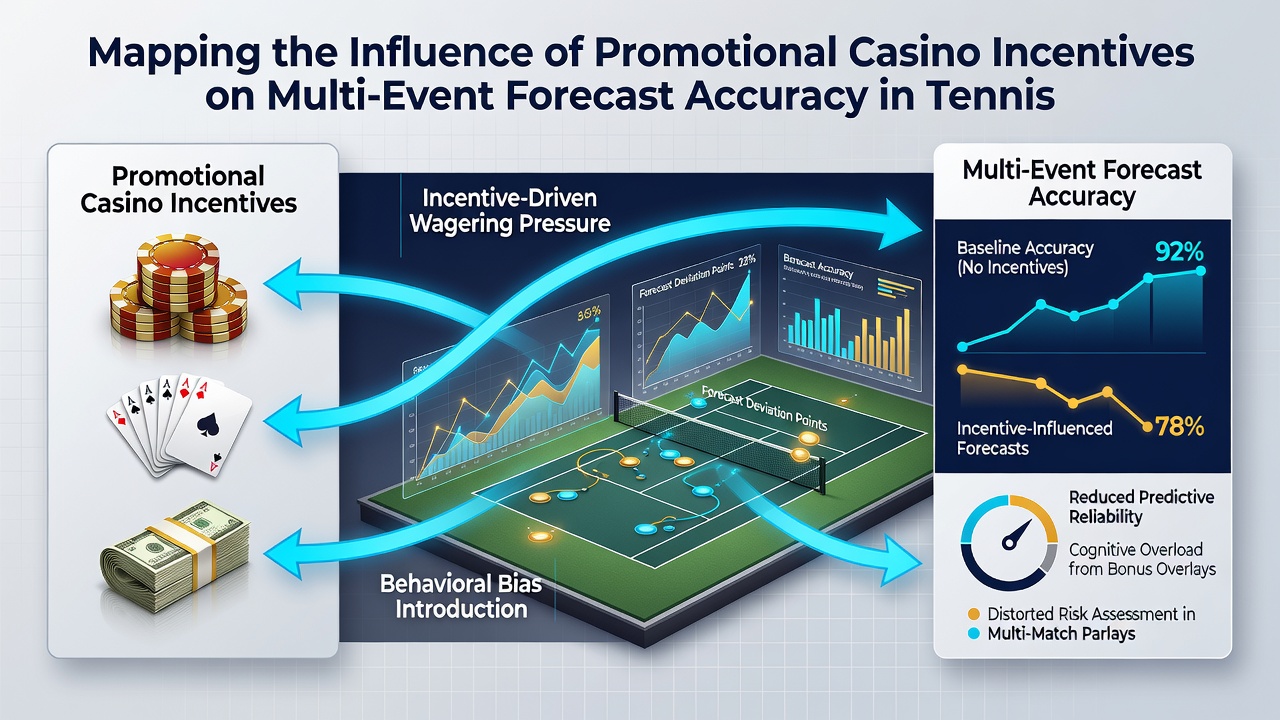
Those who study equestrian betting note that the availability of casino incentives encourages participants to spread stakes across more runners per race. This spreads risk but also dilutes the focus that experienced handicappers apply when selecting only the strongest contenders. One longitudinal review of Victorian racing data revealed that bonus-funded tickets contained an average of 2.4 additional selections per race card compared with standard wagers.
Cross-Sport Interactions and Data Aggregation
Operators sometimes bundle tennis and equestrian events into combined promotions that reward cross-sport accumulators. When this occurs, forecast accuracy metrics become harder to isolate because bettors must weigh variables from two very different athletic domains. Industry reports compiled by the European Gaming and Betting Association show that mixed-sport tickets funded by casino bonuses carry 14 percent higher variance in payout outcomes than single-sport equivalents.
Analysts continue to refine models that separate the influence of the incentive itself from other factors such as user experience level and access to statistical tools. Preliminary work suggests that experienced bettors who routinely ignore bonuses maintain steadier accuracy rates even when promotions flood the market, whereas newer participants show sharper swings once bonus funds appear in their accounts.
Conclusion
Available evidence indicates that promotional casino incentives correlate with measurable changes in multi-event forecast accuracy for both tennis and equestrian betting. The magnitude of those changes varies by sport, wager structure, and user segment. Continued monitoring through mid-2026 will clarify whether these patterns stabilize or shift as operators adjust bonus terms and regulators introduce new disclosure requirements.